 Donate now
Safeguarding
As a lifesaving charity and a community-based organisation, we believe in prioritising people’s safety and welfare.

Safeguarding is about protecting a person’s health, wellbeing, and human rights, enabling them to live free from harm, abuse, and neglect.
Every one of us is responsible for safeguarding at the RNLI. It’s important that everyone has an understanding of safeguarding, champion’s ethical behaviours, knows how and when to report concerns, and takes every reasonable precaution to minimise risks.
Our commitment
The RNLI will...
- Ensure the welfare and wellbeing of all is paramount, promoting a respectful, enabling, inclusive safe culture.
- Prevent, stop, and reduce the risk of harm, abuse, maltreatment, exploitation, and neglect wherever possible.
- Take all safeguarding concerns and allegations seriously, following up on reports of safeguarding promptly and appropriately.
- Address concerns raised with integrity, impartiality and proportionately.
- Take appropriate action to prevent harm or abuse; we have a zero-tolerance approach.
- Ensure those that raise concerns are supported and protected, holding people and partners accountable for their actions or lack of action.
Our Safeguarding Policy – PDF 250MB provides more detail and outlines the expectations of all volunteers, employees, contractors and other associated persons.
Reporting safeguarding concerns
If someone is in immediate danger, call 999.
If you are a member of the public and have a safeguarding concern – report it.
Ways to report:
Use the button to report a concern online, or scan the QR code if you're viewing this page on another device.
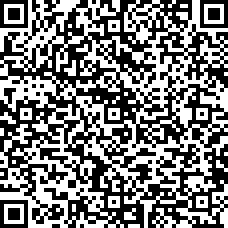
We encourage you to leave your contact details so we can get in touch if necessary, but you can choose to complete this form anonymously if you prefer not to share your information.
For non-urgent advice about a safeguarding concern, contact [email protected].
Concerns can also be raised anonymously via Safecall