
Find out some of the many benefits you gain when you decide to become an RNLI beach lifeguard saving lives on the beach.
Explore the benefits
 Donate now
When you're an RNLI lifeguard, you're always working to keep people safe. Find out about some of the tasks you'll be doing each day you patrol the beach.
Your daily duties as a lifeguard will depend on the type of beach you are on, what the weather conditions are, and whether you are trained to use any specialist equipment. But every task you do will either be preventative, as a proactive intervention, or to put you in a position to be able to rescue those in danger.
Each lifeguard shift runs from 10am to 6pm and can take place on any day of the week during the season. At the start of the day, the lifeguard supervisor assigned to the beach will assess the conditions to direct, where safety signage should go, which beach flags should be used, and where specialist equipment should be place. Once the equipment has been set up, lifeguard patrols begin.
At most beaches, there are three positions that lifeguards will patrol:
Between the flags: Lifeguards will patrol close to the water's edge between the red and yellow beach flags. They will speak to members of the public and share safety advice or warnings where appropriate.
At base: This will be the main lifeguard unit, such as an office or lifeguard hut. Normally they have a higher vantage point to provide a wider view of the beach. From here, lifeguards can assess the state of the whole beach.
In the water: Lifeguards will also patrol while in the water themselves, either on their rescue boards or on a powered rescue craft. This allows them to speak to those in the water and share safety advice directly.
When 6pm comes, lifeguards will take down their safety signage and equipment. Tannoy announcements alert the public that the lifeguard patrol is stopping, and shares advice on what to do in an emergency when lifeguards are off duty.
The lifeguard season starts at different times across the UK and Channel Islands, depending on the nature of the beach, how popular it is, and (sometimes) what the weather is forecast to be.
Some lifeguard patrols will begin in March/April during the Easter School Holidays. Others will start later in the year, normally by the end of May. The season runs all through the summer until schools reopen in September, although some beaches continue running patrols into the October half term.
Dates change from year to year, so it's good to check your local beach to see what dates they usually run. You can find out what dates the lifeguard patrols near you are running over at our find my nearest lifeguarded beach section.
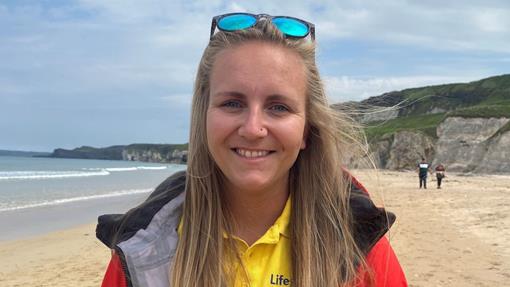
Every day is different and there is such variety depending what happens from day to day
While no two days as an RNLI beach lifeguard are the same, there are several tasks you will need to carry out each day to ensure that beachgoers are kept safe and informed of any potential days. A typical patrol will be broken down into the following:
At the start of your shift, you will gather with the rest of your lifeguards for a pre-shift meeting with the senior lifeguard on a patrol in your area. During this meeting, you will be briefed on the weather conditions for the day, so you know what advice you need to be sharing with beachgoers during your shift. This will also affect where you set up the lifeguard safety signage (for maximum impact and visibility), where you position the beach safety flags, and where you set up the lifeguard equipment such as rescue boards, inshore rescue boats (IRB) and rescue watercraft (RWC).
While conditions, especially the weather, can change quite often during the day, these initial meetings are important to ensure you are prepared and know what to expect throughout your shift. These briefings also allow you to ask questions and discuss other matters such as whether its expected to be a busy or quiet day on the sand.
From 10am to 6pm, you will be rotating through a number of different patrol positions with your fellow lifeguards. This helps to keep your mind fresh and alert with different challenges and tasks to do at each different stage. On most beaches, there are three key patrol positions that you will rotate between:
Between the beach flags: You will be patrolling between the red and yellow beach flags at the water's edge. During these patrols, you will be watching the water to see whether people are safe or if they are in potential danger. You will also be speaking to members of the public, sharing safety advice and making your presence known to them. You may also be asked by your senior to venture out of the red and yellow flag area to speak to members of the public on neighbouring beaches and ask them to move to within the lifeguard patrol areas.
At base: Every beach will have a lifeguard base from which operations are led. This could be a beach lifeguard hut or a more permanent building. They are normally located further away from the water's edge and have an elevated position to provide a better vantage point over the water. Here you can examine the beach as a whole, and potentially spot hazards like rip currents before they become serious. Lifeguard bases also provide an area where you can provide casualty care to those who need it, and can act as a recognisable meeting spot for lost children.
On the water: As well as patrolling on the sand, you will have an opportunity to patrol within the water too. This will be on the back of a rescue board or another piece of powered rescue equipment, such as IRBs and RWCs. This allows you to speak to swimmers and other water-users, sharing safety advice with needed. It also allows you to get a feel for the water and the conditions within. On hot days, it's also a great way to cool yourself down mid-shift!
Lifeguards rotate between these positions several times across the day until the time comes to end your shift.
As your shift comes to an end, you will be helping to pack up the safety equipment and securely store it for the next day's patrol. You will also have an opportunity to share safety messages to those beachgoers still on the beach or who have recently arrived. Tannoy announcements from the lifeguard base will also alert beachgoers to the fact that the patrol is coming to an end. It's important at this point that you share what to do in an emergency with beachgoers. That way, if something does go wrong outside the lifeguard patrol, the public will know what to do.
Now it's time to reflect on a good day's work, helping to keep people safe at the beach. On a good day you might not have had to intervene with anyone. But every action you have taken during your shift will have ensured someone who visited the beach was able to head home safely themselves.



If you are heading to the coast, choose a lifeguarded beach. Find the nearest one you so you can stay safe and have fun at the coast this summer.