


With great leaders, organisations can develop and thrive without needing ongoing help.
learn more
 Donate now

As world sea levels rise and extreme weather becomes more common, countries and communities need to become more resilient to floods.
These events turn everything upside down - transport links, electricity supplies and communication networks can all be affected, hampering rescuers’ efforts. Normal lives are disrupted, livelihoods destroyed. Whole communities can be left isolated and traumatised.
The flood rescue intervention helps search and rescue organisations respond more effectively - and safely - when flooding hits. So far our focus has been on Bangladesh, a country that routinely floods, which affects and threatens the lives of hundreds of thousands of people every year.
Search and rescue training: Bangladesh
With mentoring from RNLI flood rescue trainers, the Bangladesh Fire Service and Civil Defence (BFSCD) are improving how they map high-risk areas, design search and rescue procedures, and train their teams to carry out rescues safely.
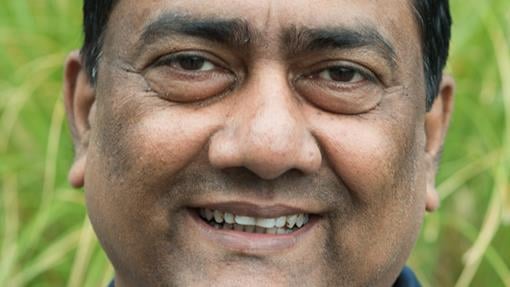
We are the first responders in our community. We’re always ready to serve the people in any disaster, natural or manmade.
‘In 2017, we had very severe floods. We had a heavy monsoon, and all the floodwater came downstream to us. Our people did a lot of jobs including distributing drinking water, food, everything. Now people are back to their homes safely.’
Equipping communities to cope with floods not only saves lives, but also helps life get back to normal more quickly. We’ve enlisted local tailors to design a rescue throwline, which local groups can make and use themselves.
And we’ve worked with disaster relief charities, training their frontline teams so they can safely negotiate floodwaters to deliver aid.
As part of our ongoing partnership with SeaSafe in Cox’s Bazar, we ran basic flood rescue training to help the lifeguards respond to floods. Not long after, they saved over a hundred lives when flooding in nearby Ramu trapped a whole village.

Download PDF - 218KB
Download PDF - 5.45MB
Download PDF - 11.9MB
Download PDF - 1.22MB


The Creches for Bangladesh appeal is helping to keep children safe!